
Robotic-Assisted Orthopaedic Surgery

First in the Valley to perform spine surgery with Mako 4
Advanced robotic-assisted surgical technology helps surgeons plan and perform certain spine and joint procedures with detailed, real-time guidance. This technology supports a more personalized approach to surgery while keeping your surgeon in control through every step. Saint Agnes is proud to be the first hospital in the Central Valley to perform spine surgery using Mako 4, the latest generation of robotic-assisted orthopedic technology.
Mako 4 brings virtual 3D CT-based planning, advanced navigation and robotic-arm guidance together in one system—including specialized software for spine procedures—to create a detailed view of the patient’s anatomy. This helps the surgeon plan the placement and path of surgical instruments with precision. During surgery, visual and tactile feedback help guide the surgeon along the preplanned path.
As the second robotic-assisted orthopedic system at Saint Agnes, this new technology builds on our established knee replacement program and expands the range of procedures available.
Robotic-assisted orthopedic procedures
Saint Agnes continues to invest in surgical technology that helps bring advanced treatment options to patients throughout the Central Valley. With two robotic-assisted orthopedic systems, we can support a growing range of spine and joint procedures to meet each patient's unique surgical needs.
Robotic-assisted technology can assist surgeons with multiple types of procedures, including:
- Spine surgeries
- Total hip replacements
- Total knee replacements
- Partial knee replacements
- Shoulder surgeries
The technology is used differently depending on the procedure. During joint replacement, it can help the surgeon plan and guide implant placement. During spine surgery, it can provide detailed views and guidance for placement of surgical instruments.
Not every procedure will require or qualify for robotic assistance. Your surgeon will determine which surgical approach and technology are appropriate for your condition and needs.
Robotic-assisted knee replacement
Saint Agnes has offered Mako SmartRobotics™ assisted surgery for total and partial knee replacement since 2021. Before surgery, CT-based images are used to create a virtual 3D model of your knee. Your surgeon uses the model to evaluate your anatomy and plan the size, position and alignment of your implant.
During the procedure, your surgeon guides the robotic arm to follow the surgical plan and can make adjustments based on real-time information. This added planning and guidance are designed to support accurate implant placement while helping preserve healthy bone and surrounding tissue.
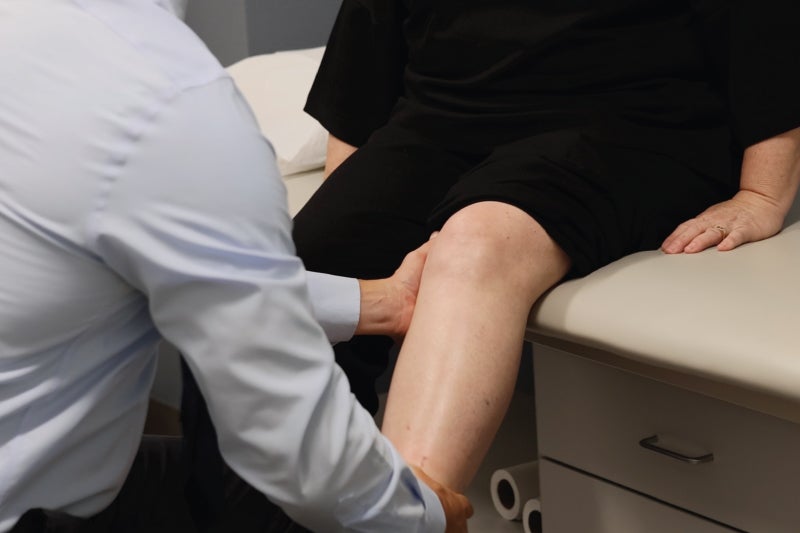
Total knee replacement
Total knee replacement may be an option for patients with severe arthritis or damage affecting the entire knee joint.
Learn more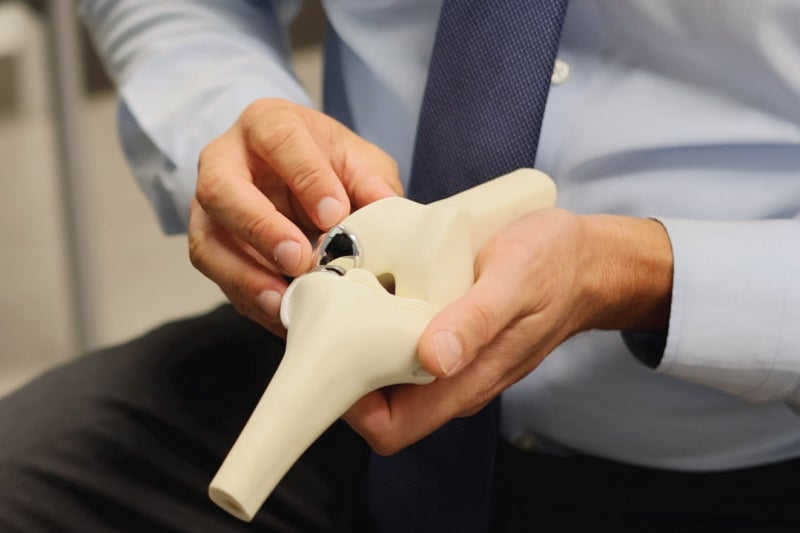
Partial knee replacement
Partial knee replacement may be an option when arthritis or damage is limited to one or more areas of the knee.
Learn moreHow robotic-assisted surgery works
Robotic-assisted surgery begins with a plan developed around you. Depending on the procedure, detailed images are used to create a virtual 3D model of your anatomy. Your surgeon uses this information to plan important parts of the procedure before surgery begins.
During surgery, the technology provides real-time information and guidance to help your surgeon follow the plan and make adjustments when needed. It can also help the surgeon work within targeted areas while preserving healthy bone and surrounding tissue, when appropriate.
Robotic-assisted surgery does not mean a robot performs the procedure on its own. Your surgeon plans the operation, guides the technology and makes every surgical decision.
Benefits of robotic-assisted surgery
Robotic-assisted technology gives surgeons additional information and guidance before and during a procedure. Potential benefits may include:
- A surgical plan tailored to your specific case
- Greater precision and consistency during surgery
- Detailed guidance for implant or instrument placement
- The ability to make real-time adjustments during the procedure
- Preservation of healthy bone and surrounding tissue, when appropriate
- Less pain after surgery and a shorter recover for some joint replacement procedures, compared with traditional manual procedures
Every patient and procedure is different. Your diagnosis, overall health and recover plan can all affect your results. Your surgeon will discuss the possible benefits and risks associated with your recommended treatment

Find the right orthopaedic care for you
Meet with a Saint Agnes Care orthopaedic specialist to discuss your symptoms and treatment options. Together, you can decide whether robotic-assisted surgery or another approach is right for you.
Schedule an appointment