
Colonoscopy Screening
A simple screening can save your life
Getting a colon cancer screening might not be at the top of your to-do list. But if you’re 45 or older, it’s one of the most important steps you can take to protect your health.
A colonoscopy screening is one of the most effective tools available for detecting colon cancer early — and preventing it before it starts.
Colorectal cancer is one of the leading causes of cancer-related deaths in the United States. However, when detected early through routine screening, it is highly treatable.
Why colon cancer screening matters
Many people with early-stage colon cancer have no symptoms at all. Screening allows physicians to identify potential problems before they cause symptoms. During a colonoscopy, doctors can find and remove precancerous polyps before they develop into cancer. This makes colonoscopy one of the most powerful tools available for preventing colorectal cancer and protecting long-term digestive health.
Who should get a colonoscopy?
Most adults should begin regular colon cancer screening at age 45. You may need screening earlier or more frequently if you:
- Have a family history of colorectal cancer
- Have previously had colon polyps
- Have inflammatory bowel disease
- Experience persistent digestive symptoms
Your physician can help determine the right screening schedule based on your health history and risk factors.
What to expect during a colonoscopy
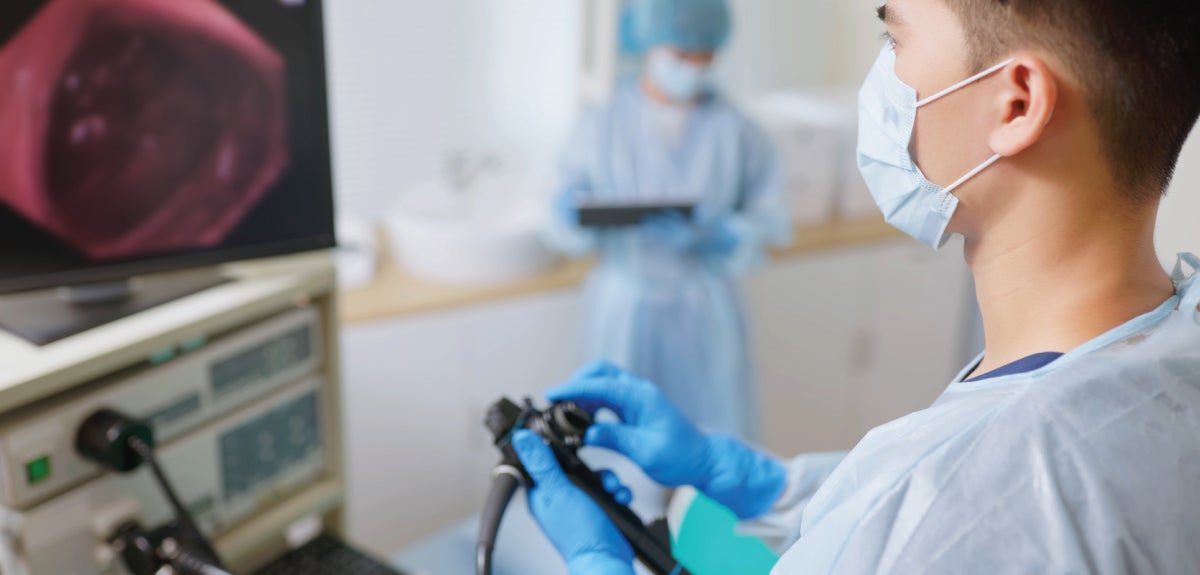
A colonoscopy allows a physician to examine the inside of the colon using a thin, flexible camera.
Preparation
The day before your procedure, you will follow a preparation plan to clean the colon so your physician can clearly examine the digestive tract.
Procedure
You will be comfortably sedated during the procedure. Most colonoscopies take less than one hour. During the procedure, physicians can often remove precancerous polyps, helping prevent colon cancer before it develops.
Post-screening
Most patients will return home the same day and resume normal activities shortly afterward.
Frequently asked questions about colonoscopy
Most adults should begin screening at age 45. People with additional risk factors may need earlier screening.
Many people at average risk should have a colonoscopy every 10 years, though your doctor may recommend a different schedule.
Most colonoscopies are performed under sedation, so patients usually experience little to no discomfort.
Polyps can often be removed during the procedure, preventing them from developing into cancer.
Symptoms such as blood in the stool, persistent abdominal pain, unexplained weight loss or changes in bowel habits should be evaluated by a physician.
Regular screening significantly reduces risk by identifying and removing precancerous polyps.
Yes. Because of this trend, screening now begins at age 45 for most adults.
Most people go home the same day and resume normal activities within a day.
Some insurance plans require a referral from a primary care provider.
Other screening tests may be available depending on your health history, though colonoscopy remains the most comprehensive screening option.
Start with a primary care physician
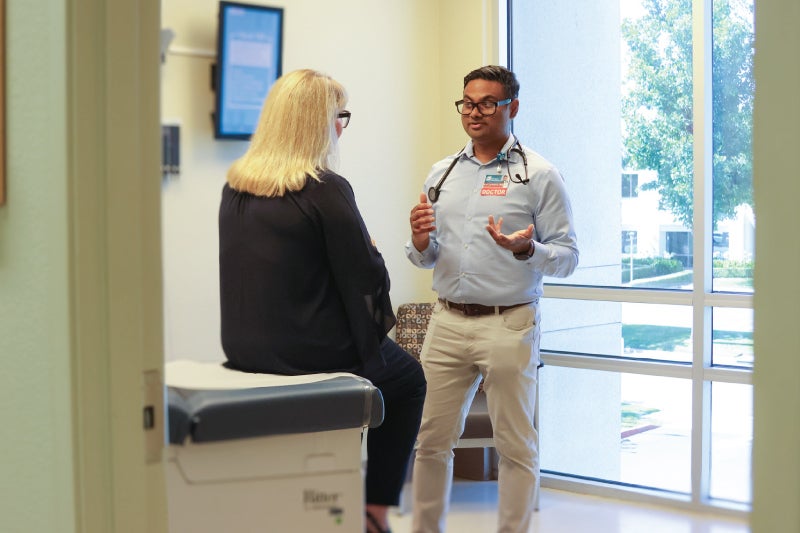
Not sure if it’s time for a colonoscopy? A primary care physician can help assess your risk, recommend screenings and refer you to a specialist when needed.
Find a primary care provider
Facts you should know about colon cancer
Understanding your risk and the importance of screening can help protect your health. Download our guide to learn facts about colon cancer, colonoscopies and colorectal screening.
Download the guide