
What you should know about lung nodules
November 25, 2025
Each November, Lung Cancer Awareness Month reminds us how important it is to care for the lungs that keep us going every day. While “lung cancer” can sound alarming, not every change in the lungs means something dangerous. In fact, one of the most common findings during a lung screening or imaging test is a lung nodule and most of the time, these are harmless.
Still, learning that you have one can bring up questions and worry. Here’s what you should know about lung nodules, when to pay closer attention, and how Saint Agnes Care Pulmonary Clinic can help you breathe a little easier.
What is a lung nodule?
A lung nodule (also called a “spot on the lung”) is a small, round growth that appears on the lung tissue. They’re quite common and often found by chance when a person has a chest X-ray or CT scan for another reason.
Most nodules are small—less than the size of a nickel—and don’t cause any symptoms. In fact, many are noncancerous (benign) and can be caused by things like a healed infection, inflammation, or scar tissue.
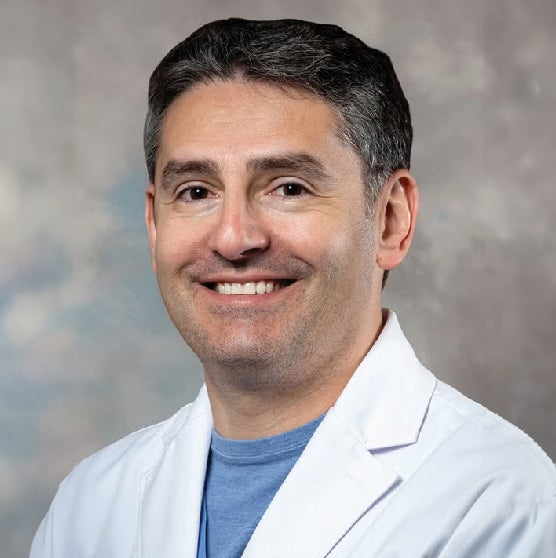
“When we find a lung nodule, it’s natural for patients to feel anxious,” says Dr. Catalin Nicola, Pulmonary and Critical Care Medicine physician with Saint Agnes Care Pulmonary Clinic. “But it’s important to remember that most nodules are not cancer. Our job is to look carefully, follow up appropriately, and give patients peace of mind through clear answers and compassionate care.”
Who is at risk for lung nodules?
Anyone can develop a lung nodule, but certain factors increase your risk:
- Smoking history — either current or former
- Exposure to asbestos, radon, or other environmental pollutants
- Previous infections like tuberculosis or fungal infections
- Advancing age — nodules are more commonly found in older adults
While most nodules are harmless, the risk of cancer increases with certain features, such as nodules larger than 8 millimeters, those with irregular edges, or those that grow over time.
Are lung nodules cancerous?
In most cases, no. Studies show that more than 90% of small nodules are benign. Still, careful monitoring is key.
Your care team may recommend:
- Repeat imaging (usually a low-dose CT scan) after a few months to check for changes
- Biopsy or PET scan if the nodule shows signs of growth or concerning features
- Referral to a specialist if cancer or another disease is suspected
“Our goal is to find balance,” Dr. Nicola adds. “We don’t want to cause unnecessary worry or procedures, but we also don’t want to miss something that needs attention. Careful follow-up allows us to do both, safely and effectively.”
What you can do
If a lung nodule is found, don’t panic, but don’t skip follow-up either. Staying proactive is the best way to protect your health.
Here are a few simple steps you can take:
- Keep your follow-up appointments. Your doctor will recommend repeat scans at specific intervals—make sure to attend each one.
- Share your medical history. Smoking habits, infections, and environmental exposures all help your care team understand your risk.
- Ask questions. Understanding your results and next steps can help ease anxiety and empower you to take an active role in your care.
- Prioritize prevention. If you smoke, talk to your provider about quitting. If you qualify, ask whether a low-dose CT lung screening is right for you.
We're here to help you breathe easier
Whether you’re following up on a lung nodule or managing a chronic condition like asthma or COPD, the Saint Agnes Care Pulmonary Clinic is here to support you. Our team of board-certified pulmonary and critical care physicians provides compassionate, personalized care for a wide range of lung conditions, helping you breathe easier and live better.
Earlier answers start here
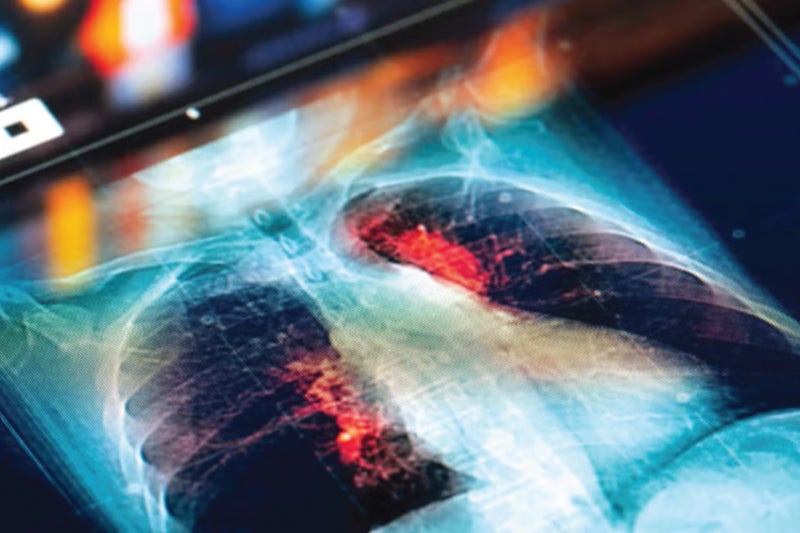
If you need further evaluation for a lung nodule, the Ion robotic bronchoscopy at Saint Agnes offers a safer, more precise way to reach and biopsy hard-to-find nodules.
Learn more about our Clinic
Breathe easier with expert pulmonary care
The Saint Agnes Care Pulmonary Clinic provides personalized care for lung nodules, asthma, COPD and more. Our team is here to support your lung health and help you breathe easier, every day.
Learn more about our Clinic