
Understanding lung nodules and the importance of lung cancer screening
November 18, 2026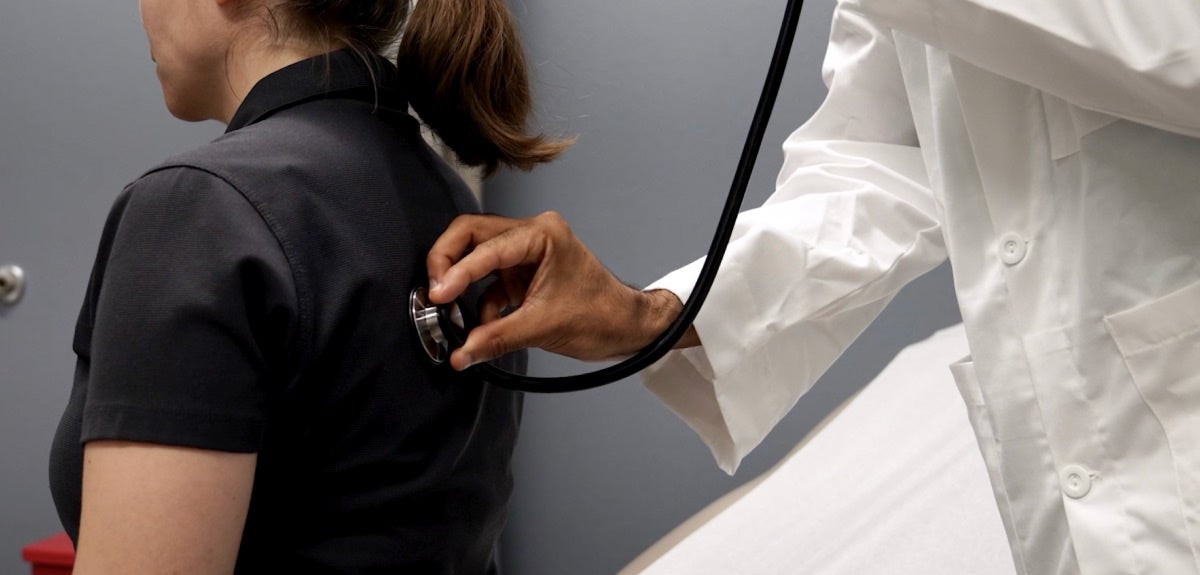
Hearing that a scan found a “spot” on your lung can bring questions and worry. Does it mean cancer? Will you need more tests? What happens next?
That spot may be a lung nodule, a small area of tissue in the lung. Lung nodules are common, and most are not cancerous. Understanding what was found and following your physician’s recommendations can help you move forward with more confidence.
November is Lung Cancer Awareness Month, a reminder to talk about lung health even when you feel well. For people at higher risk, screening can help find lung cancer before symptoms appear, when treatment is more likely to be successful.

“Finding a lung nodule does not mean you have lung cancer, but it is important to understand whether it needs follow-up,” says Dr. Kashif Malik, Cardiothoracic Surgeon with Saint Agnes Care. “We want patients to understand what their scan shows and feel comfortable asking questions about what comes next.”
What is a long nodule?
Lung nodules are small clumps of cells that appear as spots on imaging tests. Many are scar tissue from a past infection. They usually do not cause symptoms and may be found during a chest X-ray or CT scan ordered for another reason.
A nodule does not automatically mean you need a biopsy or surgery. Your physician may compare it with older scans or recommend repeat imaging to watch for changes. Larger nodules or those that grow may need additional testing. Before leaving your appointment, make sure you understand whether follow-up is needed and who will arrange it.
Why screening matters when you feel well
Lung cancer often does not cause symptoms in its early stages. Screening uses a low-dose computed tomography scan, also called a low-dose CT or LDCT, to look for changes in the lungs before symptoms develop. For eligible people, yearly screening can lower the risk of dying from lung cancer.
Screening also has limits. It can find harmless spots that lead to more testing, involves a small amount of radiation and may detect cancers that would never have caused problems. Your physician can help you weigh these considerations against the potential benefits.
Who should talk with their doctor about screening?
The American Cancer Society recommends yearly low-dose CT screening for people who meet all three criteria:
- Are 50 to 80 years old.
- Currently smoke or previously smoked.
- Have a smoking history of at least 20 pack-years
Smoking one pack a day for 20 years, or two packs a day for 10 years, equals 20 pack-years. Your overall health and ability and willingness to receive treatment if cancer is found also help determine whether screening is appropriate.
The American Cancer Society does not set a cutoff based on how long ago you quit smoking. Other guidelines include a 15-year limit after quitting, and insurance coverage requirements may differ. Your care team can help you understand what applies to you.
When a lung nodule needs a closer look
Some nodules can be monitored with imaging. Others may need a biopsy, which collects a small tissue sample for testing.
Saint Agnes offers Ion robotic bronchoscopy, a minimally invasive technology that helps physicians reach small, difficult-to-access nodules deep within the lungs. A thin, flexible catheter guided through the airways allows the physician to collect tissue to help determine whether a nodule is cancerous. Ion supports diagnosis, with biopsy results helping guide the next steps in care.
“The right next step depends on the patient and what we see in the nodule,” says Dr. Malik. “Whether we recommend another scan or a biopsy, our goal is to explain the plan clearly and help patients get the answers they need.”
Don’t wait to discuss symptoms
Screening is intended for people without symptoms. If you have a persistent cough, cough up blood or notice new shortness of breath, ongoing chest discomfort or unexplained weight loss, contact your healthcare provider.
These symptoms can have several causes and do not automatically mean cancer, but they deserve medical attention. You do not need to qualify for screening to have a concern evaluated.
Start a conversation about your lung health
Whether you have questions about a lung nodule, want to understand your screening eligibility or need help quitting smoking, your care team can help. This Lung Cancer Awareness Month, take time to ask questions and complete any recommended follow-up. You deserve clear information, compassionate support and a plan you understand.
Get support for your lung health
If you have a lung nodule or questions about a lung condition, the Saint Agnes Pulmonary Clinic can help you understand your next steps. Explore our services or call (559) 450-7041 for more information.
Explore pulmonary care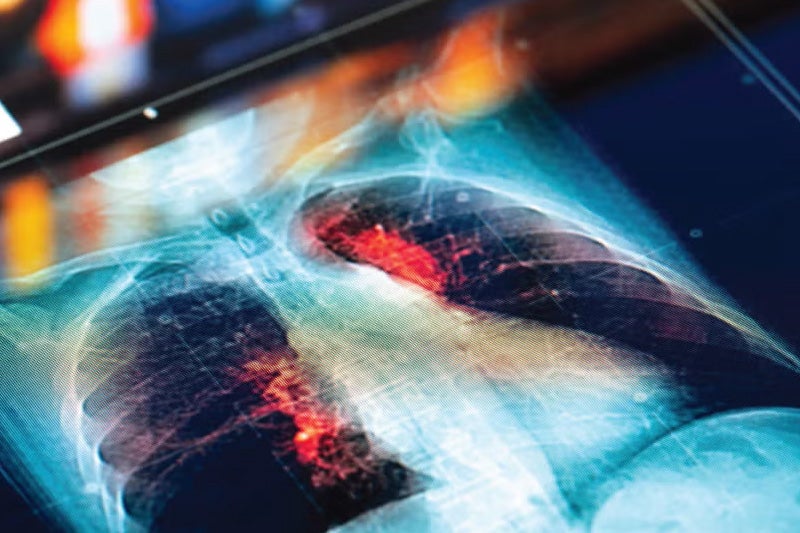
Learn how Ion helps provide answers
Saint Agnes offers Ion robotic bronchoscopy to help physicians biopsy small, hard-to-reach lung nodules. Learn how this technology supports diagnosis and helps guide the next steps in your care.
Learn about Ion robotic bronchoscopy
Find a partner for your health
A primary care provider can help you understand your health risks, discuss recommended screenings and connect you with specialists when needed. Find a Saint Agnes Care provider to help guide your health journey.
Find a primary care provider